We Use CookiesWe use cookies to enhance the security, performance, functionality and for analytical and promotional activities. By continuing to browse this site you are agreeing to our privacy policy

10 Best Bermuda Grass Fertilizers 2026 in the United States
How do we rank products for you?

Our technology thoroughly searches through the online shopping world, reviewing hundreds of sites. We then process and analyze this information, updating in real-time to bring you the latest top-rated products. This way, you always get the best and most current options available.

headphones-stars

Our Top Picks

#1

Winner

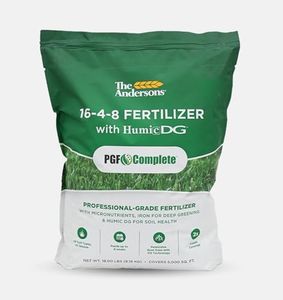
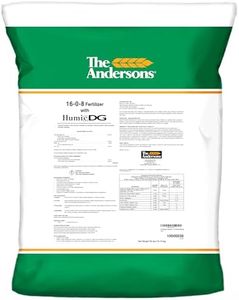
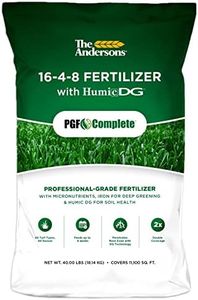
The Andersons Professional PGF Complete 16-4-8 Fertilizer with Humic (40lb)

Rating
10.0
Chosen by1,487
Slow-Release vs. Quick-Release
Application Frequency
Organic vs. Synthetic

Most important from
2340 reviews

Slow-Release vs. Quick-Release
The slow-release nitrogen formula provides long-lasting feeding, reducing the need for frequent applications.
Application Frequency
A reliable choice for building and maintaining a vibrant lawn throughout the growing season.
Organic vs. Synthetic
The fertilizer works well in combination with humic acid and iron products for enhanced lawn health.

The Andersons Professional PGF Complete 16-4-8 Fertilizer is designed to support healthy bermuda grass growth with a well-balanced nutrient ratio of 16-4-8 (nitrogen-phosphorus-potassium). This ratio suits lawns that need a strong nitrogen boost for green, vigorous growth, while the moderate potassium supports root development and stress resistance. One of the fertilizer's key benefits is its mix of quick- and slow-release nitrogen, which provides an immediate nutrient boost and extends feeding for up to eight weeks. This means you won’t need to reapply as often, saving time and effort. The super-fine granules ensure even spreading, which helps avoid patchy growth.

Additionally, it includes iron and other micronutrients that enhance the lawn’s overall health and color, along with Humic DG, which improves soil quality and nutrient uptake. This combination is especially useful if your soil test shows deficiencies or poor soil structure. However, this product is synthetic rather than organic, so if you prefer fully natural fertilizers, this may not be the best choice. Also, it is not available for sale in California.

Its nutrient balance and feeding method are well-suited for bermuda grass, but be sure to check your soil’s specific needs before applying to avoid over-fertilizing. Many users praise its effectiveness, reflected in high customer ratings. For those seeking a reliable, easy-to-apply fertilizer that supports long-lasting lawn health with minimal reapplications, The Andersons 16-4-8 presents a strong option.

Rating
10.0
Chosen by1,487
Slow-Release vs. Quick-Release
Application Frequency
Organic vs. Synthetic

Most important from
2340 reviews

Slow-Release vs. Quick-Release
The slow-release nitrogen formula provides long-lasting feeding, reducing the need for frequent applications.
Application Frequency
A reliable choice for building and maintaining a vibrant lawn throughout the growing season.
Organic vs. Synthetic
The fertilizer works well in combination with humic acid and iron products for enhanced lawn health.
#2

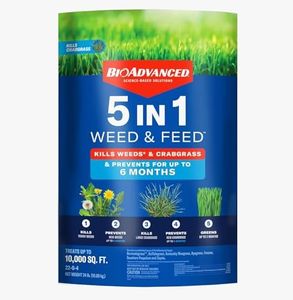
BioAdvanced 5 In 1 Weed and Feed Granules - Kills Lawn Weeds & Crabgrass - Feeds, Greens & Strengthens Lawn - Treats Up to 10,000 Square Feet - 24 lb Bag

Rating
9.4
N-P-K Ratio
Application Frequency
Organic vs. Synthetic

Most important from
2325 reviews

N-P-K Ratio
Promotes noticeable grass growth and greening, especially when paired with an additional nitrogen source.
Application Frequency
Controls tough weeds like crabgrass, dandelions, and clovers effectively for several months.
Organic vs. Synthetic
Delivers a thick, green lawn with impressive weed control, outperforming some professional treatments.

The BioAdvanced 5 In 1 Weed and Feed Granules is designed to both feed your lawn and control a wide range of tough weeds, including crabgrass, dandelions, and clovers. It covers up to 10,000 square feet and promises weed prevention for up to six months, making it a good option if you want a combination product that simplifies lawn care. The fertilizer feeds and greens your grass for about three months, promoting thicker and healthier turf.

This product appears to be synthetic rather than organic, so if you prefer natural lawn care options, this may not be the best fit. The granule form allows for easy spreading with common lawn spreaders.

This fertilizer is strong on weed control and general feeding, making it ideal for homeowners who want an all-in-one treatment with less frequent applications, but those looking for precise nutrient management or organic solutions might want to consider other products.

Rating
9.4
N-P-K Ratio
Application Frequency
Organic vs. Synthetic

Most important from
2325 reviews

N-P-K Ratio
Promotes noticeable grass growth and greening, especially when paired with an additional nitrogen source.
Application Frequency
Controls tough weeds like crabgrass, dandelions, and clovers effectively for several months.
Organic vs. Synthetic
Delivers a thick, green lawn with impressive weed control, outperforming some professional treatments.
#3

The Andersons Professional PGF Complete 16-4-8 Fertilizer with 7% Humic DG 5,000 sq ft

The Andersons Professional PGF Complete 16-4-8 Fertilizer is a well-rounded product designed for Bermuda grass. The N-P-K ratio of 16-4-8 is beneficial for promoting healthy growth, although it lacks phosphorus which might necessitate additional supplementation depending on your soil test results. One standout feature is the slow-release nitrogen via MUtech coating, ensuring steady and uniform growth over time without the risk of nutrient burn often associated with quick-release fertilizers.

Additionally, the inclusion of humic acid can enhance soil quality and reduce the nutrient requirement for your lawn. The fine particle size ensures even distribution and quick soil integration, which is advantageous for consistent lawn feeding. However, it's essential to note that this product is not for sale in California or Oregon, limiting its availability.

While the fertilizer is synthetic, which may not appeal to all users, it offers reliable and extended feeding benefits. Users who prefer organic fertilizers might need to consider other options. In conclusion, this fertilizer is particularly suitable for those looking for a low-phosphorus, slow-release option that promotes high turf quality and requires less frequent application, making it a convenient choice for maintaining a Bermuda grass lawn.

Buying Guide for the Best Bermuda Grass Fertilizers

Choosing the right fertilizer for your Bermuda grass is essential to ensure it grows healthy, lush, and green. Bermuda grass is a warm-season grass that thrives in sunny, warm climates and requires specific nutrients to maintain its vigor. When selecting a fertilizer, it's important to understand the key specifications and how they impact the health of your lawn. This guide will help you navigate through the essential specs and choose the best fertilizer for your Bermuda grass based on your lawn's needs.
N-P-K RatioThe N-P-K ratio represents the percentage of Nitrogen (N), Phosphorus (P), and Potassium (K) in the fertilizer. Nitrogen promotes lush, green growth, Phosphorus supports root development, and Potassium enhances overall grass health and disease resistance. For Bermuda grass, a higher nitrogen content is usually preferred, such as a 3-1-2 or 4-1-2 ratio. If your lawn is newly established, you might need a higher phosphorus content to encourage root growth. Choose a ratio based on whether you need to boost growth, strengthen roots, or improve overall health.
Slow-Release vs. Quick-ReleaseFertilizers can be either slow-release or quick-release. Slow-release fertilizers provide nutrients over an extended period, reducing the risk of burning the grass and requiring less frequent applications. Quick-release fertilizers deliver nutrients immediately, which can be beneficial for a quick green-up but may require more frequent applications and carry a higher risk of burning the grass if over-applied. If you prefer less maintenance and a steady nutrient supply, opt for slow-release. If you need rapid results, a quick-release fertilizer might be more suitable.
Application FrequencyThe frequency of application depends on the type of fertilizer and the specific needs of your Bermuda grass. Slow-release fertilizers typically need to be applied every 6-8 weeks, while quick-release fertilizers may need to be applied every 4-6 weeks. Consider your availability and willingness to maintain a regular fertilization schedule. If you prefer less frequent applications, a slow-release fertilizer is a better choice. If you are committed to a more frequent schedule, quick-release fertilizers can provide faster results.
Soil Test ResultsConducting a soil test can provide valuable information about the nutrient levels and pH of your soil. This information helps you choose a fertilizer that addresses any deficiencies and balances the soil's nutrient profile. For example, if your soil test indicates low nitrogen levels, you should select a fertilizer with a higher nitrogen content. Tailoring your fertilizer choice to your soil's specific needs ensures optimal growth and health for your Bermuda grass.
Organic vs. SyntheticFertilizers can be organic or synthetic. Organic fertilizers are made from natural materials and release nutrients slowly, improving soil health over time. They are environmentally friendly and reduce the risk of over-fertilization. Synthetic fertilizers are chemically manufactured and provide nutrients quickly. They are often more concentrated and can deliver faster results but may require more careful application to avoid burning the grass. If you prefer a more natural approach and long-term soil health, choose organic fertilizers. If you need immediate results and are comfortable with precise application, synthetic fertilizers may be more appropriate.

FAQ