We Use CookiesWe use cookies to enhance the security, performance, functionality and for analytical and promotional activities. By continuing to browse this site you are agreeing to our privacy policy

10 Best Womens Ski Jackets 2026 in the United States
How do we rank products for you?

Our technology thoroughly searches through the online shopping world, reviewing hundreds of sites. We then process and analyze this information, updating in real-time to bring you the latest top-rated products. This way, you always get the best and most current options available.

headphones-stars

Our Top Picks

#1

Winner

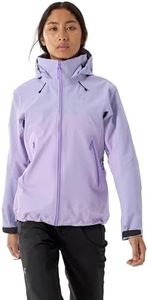
Arc'teryx Beta AR Women's Jacket | Waterproof, Windproof Gore-Tex Pro Shell Women's Winter Jacket with Hood for All Round Use | Mallow, Medium

The Arc'teryx Beta AR Women's Jacket is designed as a top-tier choice for women who need a reliable and durable waterproof jacket for winter outdoor activities like hiking, skiing, and climbing. Its standout feature is the Gore-Tex Pro shell fabric, which offers excellent waterproofing and windproofing while remaining breathable enough to keep you comfortable during active use. This level of protection makes it well-suited for harsh alpine conditions.

The jacket includes a helmet-compatible hood with an internal collar and a RECCO reflector for safety, which is great for skiing or climbing. Ventilation is managed through breathable fabric rather than dedicated vents, which works well if you layer properly. The regular fit provides a balance between comfort and mobility, though it might feel a bit roomy for those who prefer a snugger fit under gear.

Storage-wise, it offers two large hand pockets with waterproof zippers, ideal for keeping essentials dry and accessible. The seams are sealed to enhance waterproof performance, and the jacket has adjustable cuffs and hem to help block out cold air and moisture. However, the jacket lacks significant insulation, so it’s best used as an outer shell paired with warm layers underneath in cold weather. Some users mention a moderate weight and price point, which reflects its professional-grade materials and ethical manufacturing but might not suit casual or budget-conscious buyers. This makes it a versatile, high-quality option for women who prioritize durability, weather protection, and technical features in their winter jackets.

#2

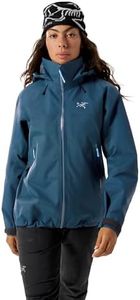
Arc'teryx Beta AR Jacket Women's | Durable Hardshell for Severe Mountain Conditions - Redesign | Nightscape/Glacial, Medium

Rating
9.4
Fit and Mobility
Pockets and Storage
Waterproof Rating

Most important from
33 reviews

Fit and Mobility
The jacket offers a great fit with an ideal length, especially compared to other ski-specific jackets that tend to be too long.
Pockets and Storage
It lacks some ski-specific features like extra zipper pockets and a powder cuff, which could enhance its functionality for skiing.
Waterproof Rating
The jacket performs well for its intended purpose, delivering reliable protection as expected from a high-end shell.

The Arc'teryx Beta AR Jacket for women is a strong choice for those facing tough mountain weather, especially skiers who need reliable protection. Its 3-layer Gore-Tex PRO fabric makes it highly waterproof and windproof while still allowing sweat to escape, which means you stay dry and comfortable during active use.

This jacket is more of a hard shell designed to be layered, making it versatile across different conditions rather than warm on its own. The fit is intended to support good mobility, which is important for skiing and other mountain activities, so you won’t feel restricted. Ventilation options are typically subtle with this design, but Gore-Tex material helps with breathability overall. It includes a hood, which is essential for face protection in storms, and the seams are fully sealed to prevent leaks, enhancing durability and weather resistance.

This jacket is more costly and focused on serious outdoor use, so casual or beginner skiers might find it more than they need. Its Fair Trade certification also means it’s made with care for workers, which is a nice ethical bonus. The jacket is ideal for those who want a dependable, breathable, and highly weatherproof layer for skiing in harsh conditions and should be paired with your own insulation layers underneath.

Rating
9.4
Fit and Mobility
Pockets and Storage
Waterproof Rating

Most important from
33 reviews

Fit and Mobility
The jacket offers a great fit with an ideal length, especially compared to other ski-specific jackets that tend to be too long.
Pockets and Storage
It lacks some ski-specific features like extra zipper pockets and a powder cuff, which could enhance its functionality for skiing.
Waterproof Rating
The jacket performs well for its intended purpose, delivering reliable protection as expected from a high-end shell.
#3

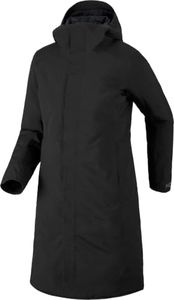
Arc'teryx Patera Parka Women's - Down Insulated Gore-Tex Parka - Black, Large

The Arc'teryx Patera Parka is a solid choice for women seeking a warm and protective jacket for cold weather, including skiing. It features high-quality 750 fill European grey goose down insulation that provides excellent warmth without feeling bulky. Its Gore-Tex fabric ensures strong waterproof and windproof protection while remaining breathable, which is essential for staying dry and comfortable during active outdoor use. The parka is designed with a long length and a standard fit that is true to size, offering decent mobility thanks to medium stretch fabric.

Although specific ventilation zippers are not included, the breathable Gore-Tex material helps regulate temperature to some extent. Storage includes two hidden zippered hand pockets and an internal security pocket, which is practical for carrying small essentials safely. Seams are protected by Gore-Tex’s durable construction, enhancing waterproof reliability. Some users might find the jacket less ventilated than other ski-specific options that use pit zips or mesh-lined vents.

This jacket is well suited for cold, wet conditions and everyday use with technical outdoor features. However, if maximum ventilation and specialized ski features are priorities, other models might offer more.

Buying Guide for the Best Womens Ski Jackets

Choosing the right women's ski jacket is essential for ensuring comfort, warmth, and protection while enjoying your time on the slopes. The perfect ski jacket will keep you dry, regulate your body temperature, and allow for freedom of movement. To make an informed decision, it's important to understand the key specifications and how they align with your needs and preferences.
Waterproof RatingThe waterproof rating of a ski jacket indicates how well it can keep you dry in wet conditions. This rating is measured in millimeters (mm) and ranges from 5,000mm to 20,000mm or more. A higher rating means better waterproofing. For light snow or occasional skiing, a rating of 5,000mm to 10,000mm is sufficient. For heavy snow or wet conditions, look for a rating of 15,000mm or higher. Consider your skiing environment and typical weather conditions to choose the right level of waterproofing.
InsulationInsulation in a ski jacket helps retain body heat and keep you warm. There are two main types: down and synthetic. Down insulation is lightweight and highly effective in dry, cold conditions, but it loses its insulating properties when wet. Synthetic insulation is bulkier but retains warmth even when damp. If you ski in very cold, dry conditions, down might be the best choice. For wetter climates or if you prefer a more versatile jacket, synthetic insulation is a better option.
BreathabilityBreathability refers to how well a jacket allows moisture from sweat to escape, keeping you dry and comfortable. This is measured in grams (g) and typically ranges from 5,000g to 20,000g. Higher breathability ratings are better for high-intensity activities where you might sweat more. If you are an active skier who spends a lot of time on challenging runs, look for a jacket with a breathability rating of 15,000g or higher. For more casual skiing, a rating of 5,000g to 10,000g should suffice.
Fit and MobilityThe fit of a ski jacket affects your comfort and range of motion. Jackets come in various fits, such as slim, regular, and relaxed. A slim fit is more form-fitting and stylish but may restrict movement. A regular fit offers a balance between comfort and mobility, while a relaxed fit provides the most freedom of movement but can be bulkier. Consider your skiing style and personal preference for fit. If you prioritize performance and agility, a regular or slim fit might be best. For maximum comfort and layering, a relaxed fit is ideal.
VentilationVentilation features, such as pit zips or mesh-lined vents, help regulate your body temperature by allowing excess heat to escape. These are especially useful during intense skiing sessions or warmer days. If you tend to overheat easily or ski in varying temperatures, look for jackets with ample ventilation options. This will help you stay comfortable and prevent overheating.
Pockets and StoragePockets and storage options in a ski jacket are important for carrying essentials like your phone, wallet, ski pass, and snacks. Look for jackets with a variety of pockets, including secure zippered pockets and specialized ones like a ski pass pocket on the sleeve. Think about what you typically carry with you on the slopes and choose a jacket with enough storage to meet your needs.
HoodA hood on a ski jacket provides extra protection against wind and snow. Hoods can be removable, adjustable, or helmet-compatible. If you often ski in harsh weather conditions, an adjustable or helmet-compatible hood is beneficial. For more versatility, a removable hood allows you to customize your jacket based on the weather. Consider how often you wear a helmet and the typical weather conditions to decide on the best hood option for you.
SeamsSeams in a ski jacket can be critically taped or fully taped. Critically taped seams are sealed in key areas to prevent water from seeping in, while fully taped seams offer complete waterproofing. If you ski in wet conditions or heavy snow, fully taped seams provide the best protection. For drier conditions, critically taped seams may be sufficient. Assess the typical weather conditions you face to determine the level of seam sealing you need.

FAQ