We Use CookiesWe use cookies to enhance the security, performance, functionality and for analytical and promotional activities. By continuing to browse this site you are agreeing to our privacy policy

10 Best Transformers Voltage Converters 2026 in the United States
How do we rank products for you?

Our technology thoroughly searches through the online shopping world, reviewing hundreds of sites. We then process and analyze this information, updating in real-time to bring you the latest top-rated products. This way, you always get the best and most current options available.

headphones-stars

Our Top Picks

#1

Winner

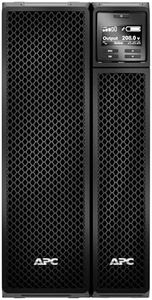
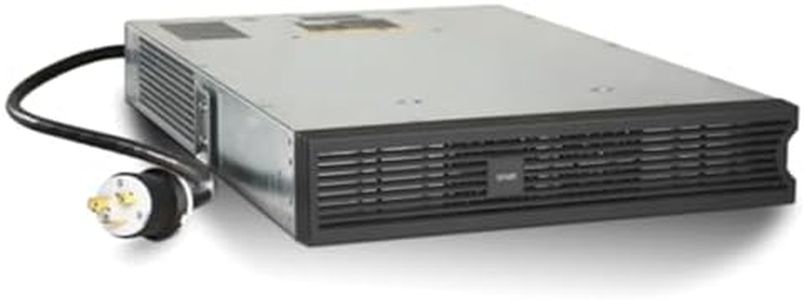
Apc Smart-Ups Srt 3000Va 208/240V To 120V Step-Down Transformer

The APC Smart-UPS SRT 3000VA is a step-down transformer designed to convert 208/240V input to 120V output, making it suitable for devices that require this voltage adjustment. It has a high power rating of 3000VA, which means it can handle substantial electrical loads, fitting well in industrial or professional settings needing reliable power transformation.

The unit is rack-mountable and quite large and heavy at 194 pounds, which limits its portability and makes it more suitable for fixed installations rather than mobile use. APC products typically support standard 50/60 Hz frequencies, covering most common applications. APC is known for including protections like surge suppression and overload protection in their products.

This transformer fits best for users needing robust and stable voltage conversion in professional environments, but its size and weight might be a drawback if you want something more compact or easy to move.

#2

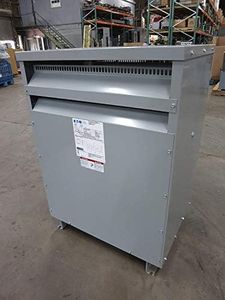
Cutler-Hammer V48M28T7516 Efficient Transformer, 480 V, 208/120 V, 75 kVA, 60 Hz, 3

The Cutler-Hammer V48M28T7516 transformer from Eaton is designed to convert voltage from 480V down to 208/120V, making it a step-down transformer suitable for applications that need to reduce high voltage to lower levels. With a power rating of 75 kVA (which is 75,000 watts), it can handle a significant load, making it fit for industrial or commercial settings rather than small or portable uses. It operates at a fixed frequency of 60 Hz, which matches standard power systems in North America.

The product is ventilated, which helps with heat dissipation, an important safety and longevity feature. Weighing around 15.6 pounds and designed for rack mounting, it is not very portable or compact but is meant for more permanent installations. Its 3-amp current rating aligns with its power capacity but might require careful consideration when matching with connected devices. The transformer meets NEMA standards, suggesting it adheres to recognized safety and performance regulations.

This transformer is single-purpose (step-down only) and not suitable if you need both step-up and step-down functionality. It represents a solid choice if you need a durable, industrial-level step-down transformer for fixed installations, but it may not be the best fit if you require portability or dual voltage conversion capabilities.

#3

LiteFuze 10,000 Watt Heavy Duty Voltage Converter Transformer - Step Down 240/220/120/110 - Needs to be Hardwired by a Electricain - LT-10,000

Rating
8.8
Voltage Input and Output
Type (Step-Up, Step-Down, or Both)
Portability and Size

Most important from
1051 reviews

Voltage Input and Output
The transformer puts out 247 volts, which is suitable for European voltages, and continues to perform well over time.
Type (Step-Up, Step-Down, or Both)
Its ability to handle both step-up and step-down conversions seamlessly is incredibly useful for various devices.
Portability and Size
The fuse quality is good, and the weight is manageable, making it a practical choice.

The LiteFuze 10,000 Watt Heavy Duty Voltage Converter Transformer is a robust device designed for both step-up and step-down voltage conversion between 110/120V and 220/240V. This level of versatility makes it highly suitable for heavy-duty applications, whether you're looking to use appliances from different regions or manage high-power equipment. With a power rating of 10,000 watts, it can handle substantial electrical loads, which is a major strength for industrial or high-consumption needs.

Operating at a frequency of 50/60 Hz, it is flexible enough to be used in various countries with different electrical standards. The requirement for hardwiring by an electrician enhances safety but also implies a more permanent and less portable setup. This can be a drawback if you need a more flexible, plug-and-play solution.

The product dimensions of 15 x 10 x 6.5 inches are reasonable for a device of its capacity, but it is relatively heavy, weighing 3.5 ounces, which might impact its portability. The unit meets UL specifications, indicating a good level of safety and reliability. However, the need for professional installation could be a limitation for those seeking a DIY-friendly product.

Rating
8.8
Voltage Input and Output
Type (Step-Up, Step-Down, or Both)
Portability and Size

Most important from
1051 reviews

Voltage Input and Output
The transformer puts out 247 volts, which is suitable for European voltages, and continues to perform well over time.
Type (Step-Up, Step-Down, or Both)
Its ability to handle both step-up and step-down conversions seamlessly is incredibly useful for various devices.
Portability and Size
The fuse quality is good, and the weight is manageable, making it a practical choice.

Buying Guide for the Best Transformers Voltage Converters

When choosing a transformer or voltage converter, it's important to understand your specific needs and the technical specifications that will ensure the device works effectively and safely for your intended use. Transformers and voltage converters are used to change the voltage of electrical power to match the requirements of different devices or systems. This is crucial for ensuring that your devices operate correctly and are protected from damage. Here are the key specifications to consider when selecting a transformer or voltage converter.
Voltage Input and OutputVoltage input and output specifications indicate the voltage levels that the transformer or converter can handle. The input voltage is the voltage that the device will receive from the power source, while the output voltage is the voltage that it will supply to your device. This is important because using the wrong voltage can damage your equipment. To navigate this, first, identify the voltage requirements of your device and the voltage available from your power source. For example, if you have a device that requires 110V and your power source is 220V, you need a converter that can step down from 220V to 110V. Choose a transformer or converter that matches these requirements.
Power Rating (Wattage)The power rating, measured in watts (W), indicates the maximum amount of power the transformer or converter can handle. This is crucial because exceeding this limit can cause the device to overheat or fail. To determine the appropriate power rating, check the wattage of the device you plan to use with the transformer or converter. It's recommended to choose a transformer or converter with a power rating that is at least 20-30% higher than the wattage of your device to ensure safe and efficient operation. For example, if your device uses 100W, look for a transformer or converter rated for at least 120-130W.
Frequency (Hz)Frequency, measured in hertz (Hz), refers to the number of cycles per second of the alternating current (AC) power. Common frequencies are 50Hz and 60Hz, depending on the region. This is important because some devices are sensitive to frequency changes and may not operate correctly if the frequency is not compatible. To navigate this, check the frequency requirements of your device and ensure that the transformer or converter can handle the frequency of your power source. If your device is designed for 60Hz and your power source is 50Hz, you need a converter that can adjust the frequency accordingly.
Type (Step-Up, Step-Down, or Both)Transformers and voltage converters come in different types: step-up, step-down, or both (also known as step-up/step-down converters). A step-up converter increases the voltage, while a step-down converter decreases the voltage. Some converters can do both, making them versatile for different situations. To choose the right type, determine whether you need to increase or decrease the voltage for your device. If you frequently travel between regions with different voltage standards, a step-up/step-down converter might be the best option for flexibility.
Portability and SizePortability and size are important considerations, especially if you plan to travel with your transformer or voltage converter. Smaller, lightweight models are easier to carry and pack, but they may have lower power ratings. Larger models may offer higher power ratings and additional features but can be bulkier and heavier. To choose the right size, consider how often you will need to move the device and the power requirements of your equipment. If you need a high-power converter for stationary use, size may be less of a concern. For travel, prioritize compact and lightweight models.
Safety FeaturesSafety features such as overload protection, short-circuit protection, and thermal protection are crucial for preventing damage to both the transformer/converter and your devices. These features help to automatically shut down the device in case of a fault, preventing overheating and potential hazards. When choosing a transformer or voltage converter, look for models that include these safety features to ensure reliable and safe operation. This is especially important if you are using high-power devices or if the converter will be in use for extended periods.

FAQ