We Use CookiesWe use cookies to enhance the security, performance, functionality and for analytical and promotional activities. By continuing to browse this site you are agreeing to our privacy policy

10 Best Rv Power Converters 2026 in the United States
How do we rank products for you?

Our technology thoroughly searches through the online shopping world, reviewing hundreds of sites. We then process and analyze this information, updating in real-time to bring you the latest top-rated products. This way, you always get the best and most current options available.

headphones-stars

Our Top Picks

#1

Winner

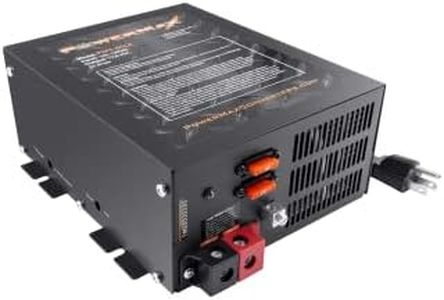
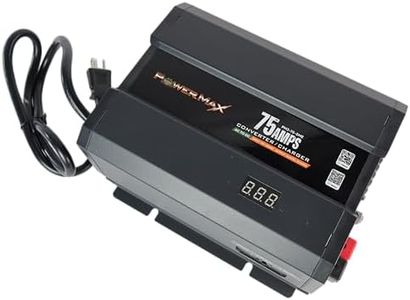
PowerMax PM4-75A RV Converter Charger | 75 Amp 12V DC Power Supply | 110V AC to 12V DC | Built-in 4-Stage Smart Battery Charger | Adjustable Output 13V–16.5V | Lithium Compatible

Rating
10.0
Chosen by1,277
Power Output (Amperage)
Type of Converter
Size and Weight

Most important from
279 reviews

Power Output (Amperage)
Transforms various power sources into a consistent and reliable output, ensuring all appliances and gadgets work seamlessly without power compatibility issues.
Type of Converter
Handles both off-grid boondocking and campground power connections effortlessly, making it versatile for different camping scenarios.
Size and Weight
Compact design and hassle-free installation make it a perfect addition to any RV setup, saving time and effort.
Additional Features
Built-in safety features and durability provide peace of mind, even during rugged travel conditions.

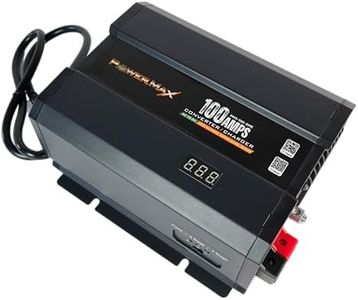
The PowerMax PM4-75A is a strong choice for RV owners needing a powerful and reliable 12V DC power source. It delivers a substantial 75 Amps, making it suitable for large RVs or trailers with multiple electrical devices. Its built-in 4-stage smart charger helps extend battery life by carefully managing charging phases, and it supports modern lithium batteries as well as traditional types like AGM and lead acid. This makes it future-ready if you upgrade your battery system.

The converter’s quiet, variable-speed fan means it won’t disrupt your peace while camping, running only when necessary to keep things cool. Installation is simple and can be done in about 10 minutes without rewiring, which is great for DIY enthusiasts. At 12 x 9 x 5 inches and weighing under 7 pounds, it’s compact enough to fit in most RV compartments without taking up too much space. It converts standard 110V AC power to a stable 12V DC output, protecting sensitive electronics from surges or dips, which is important if you use diagnostic tools or other delicate devices.

Though it’s not the smallest or lightest converter available, the combination of power, smart features, and quiet operation makes it a practical option for both on-grid and off-grid RV users who want safe, efficient charging and stable power in various situations.

Rating
10.0
Chosen by1,277
Power Output (Amperage)
Type of Converter
Size and Weight

Most important from
279 reviews

Power Output (Amperage)
Transforms various power sources into a consistent and reliable output, ensuring all appliances and gadgets work seamlessly without power compatibility issues.
Type of Converter
Handles both off-grid boondocking and campground power connections effortlessly, making it versatile for different camping scenarios.
Size and Weight
Compact design and hassle-free installation make it a perfect addition to any RV setup, saving time and effort.
Additional Features
Built-in safety features and durability provide peace of mind, even during rugged travel conditions.
#2

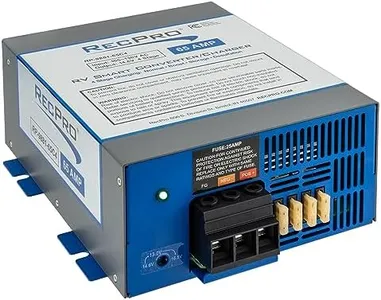
RecPro RV Converter 100 Amp | RV Power Converter & Battery Charger | 4 Stage Smart Charging | 120VAC to 12VDC | 13V to 16.5V Operating Range

Rating
9.4
Power Output (Amperage)
Additional Features

Most important from
210 reviews

Power Output (Amperage)
The converter failed its first real test, delivering dangerously low voltage that caused premature battery failures.
Additional Features
The converter’s advertised smart charging capabilities do not function as expected, contradicting product descriptions.

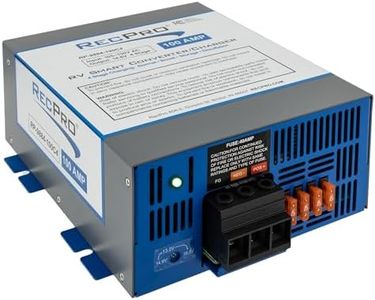
The RecPro RV Converter 100 Amp is designed to efficiently convert 120VAC shore power into 12VDC power, suitable for powering RV lights and appliances, as well as charging batteries. With a strong 100-amp output, it supports larger RV setups that require higher power, making it a solid choice for owners who need reliable and fast charging. Its 4-stage smart charging system helps maintain battery health by optimizing the charge process, and it works with both lead-acid and lithium batteries, offering good flexibility depending on your RV’s battery type.

Weighing just over 7 pounds and compact in size, it’s relatively easy to install without taking up much space. The converter’s operating voltage range of 13V to 16.5V is typical and suitable for most RV batteries. Some users may find the 12-watt power consumption quite low, indicating efficient energy use, but actual performance depends on your RV’s power draw. It is important to consider your RV’s specific amperage needs, as RecPro offers several lower amp options if 100 amps is more than you require.

This converter is a dependable choice for RV owners who want a versatile, high-capacity charger that supports modern battery types and delivers steady power for an enjoyable RV experience.

Rating
9.4
Power Output (Amperage)
Additional Features

Most important from
210 reviews

Power Output (Amperage)
The converter failed its first real test, delivering dangerously low voltage that caused premature battery failures.
Additional Features
The converter’s advertised smart charging capabilities do not function as expected, contradicting product descriptions.
#3

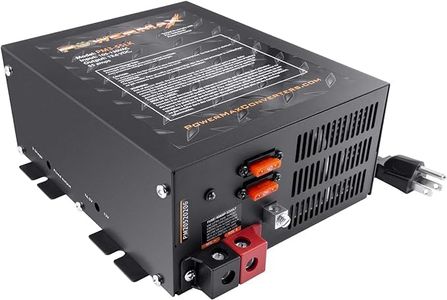
PowerMax PM3 75LK RV Power Converter - 12 Volt 75 Amp with 3 Stage Smart Charging Mode, Lithium Compatible

Rating
9.1
Power Output (Amperage)
Battery Compatibility
Additional Features

Most important from
366 reviews

Power Output (Amperage)
Delivers a reliable 75-amp output that efficiently charges 12V batteries and powers RV equipment without complications.
Battery Compatibility
The smart 3-stage charging system extends battery life and supports multiple battery types, including lithium.
Additional Features
Installation is straightforward with no rewiring needed, making it ideal for quick and hassle-free setup.
Size and Weight
Compact and lightweight design fits well in tight RV spaces without adding unnecessary bulk.
Type of Converter
Clean DC output ensures stable power with minimal flickering, protecting sensitive electronics.

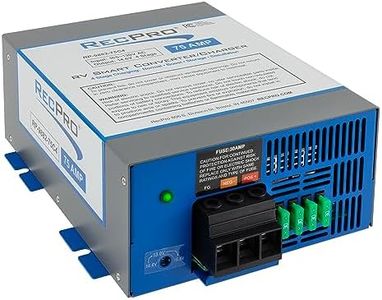
The PowerMax PM3 75LK is a solid choice for an RV power converter, offering a strong 75-amp output that can effectively charge your RV’s 12V battery and run 12V equipment. It uses a smart 3-stage charging system that helps extend battery life by properly charging different battery types, including lithium, which is a plus if you have newer batteries. Weighing just 6.5 pounds and sized at 11 x 8.5 x 4.5 inches, it’s reasonably compact and not too heavy for the space constraints in most RVs.

It’s designed to be easy to install with no need for rewiring, making it user-friendly for people who want a straightforward setup. The converter also includes built-in protections against reverse polarity, overload, and overheating, adding peace of mind for safe operation. Its thermal protection suggests it handles heat well under typical conditions. Some users might want a converter with higher wattage for bigger setups, but 75 amps is sufficient for standard RV power needs. Its clean DC output means less flickering or power issues with sensitive electronics.

This converter is well-suited for RV owners who want reliable, efficient battery charging and stable 12V power without complicated installation, especially if you use lithium batteries or multiple power setups.

Rating
9.1
Power Output (Amperage)
Battery Compatibility
Additional Features

Most important from
366 reviews

Power Output (Amperage)
Delivers a reliable 75-amp output that efficiently charges 12V batteries and powers RV equipment without complications.
Battery Compatibility
The smart 3-stage charging system extends battery life and supports multiple battery types, including lithium.
Additional Features
Installation is straightforward with no rewiring needed, making it ideal for quick and hassle-free setup.
Size and Weight
Compact and lightweight design fits well in tight RV spaces without adding unnecessary bulk.
Type of Converter
Clean DC output ensures stable power with minimal flickering, protecting sensitive electronics.

Buying Guide for the Best Rv Power Converters

Choosing the right RV power converter is crucial for ensuring that your recreational vehicle's electrical system runs smoothly and efficiently. A power converter transforms the 120-volt AC power from an external source or generator into 12-volt DC power, which is used by most of the RV's appliances and systems. Understanding the key specifications and how they relate to your needs will help you make an informed decision.
Power Output (Amperage)Power output, measured in amperes (amps), indicates the amount of current the converter can supply to your RV's 12-volt system. This is important because it determines how many devices and appliances you can run simultaneously. Converters typically range from 30 to 100 amps. For smaller RVs with fewer electrical demands, a 30-50 amp converter may suffice. Larger RVs with more appliances and higher power needs might require a 60-100 amp converter. Assess your RV's electrical load by listing all the devices you plan to use and their power requirements to choose the right amperage.
Type of ConverterThere are mainly two types of RV power converters: single-stage and multi-stage. Single-stage converters provide a constant voltage output, which can be less efficient and may overcharge your batteries over time. Multi-stage converters, on the other hand, adjust the voltage output based on the battery's charge level, which helps in maintaining battery health and efficiency. If you use your RV frequently and rely heavily on battery power, a multi-stage converter is a better choice. For occasional use, a single-stage converter might be sufficient.
Size and WeightThe physical size and weight of the power converter can be important, especially if space is limited in your RV. Converters come in various sizes, and you need to ensure that the one you choose fits in the designated space in your RV. Additionally, consider the weight if you plan to install it yourself. Measure the available space and compare it with the dimensions of the converter to ensure a proper fit.
Cooling SystemPower converters generate heat during operation, so an efficient cooling system is essential to prevent overheating and ensure longevity. Converters can have either fan-based or passive cooling systems. Fan-based systems actively cool the converter but can be noisy, while passive systems rely on heat sinks and are quieter but may not be as effective in high-demand situations. If you plan to use your RV in hot climates or have high power demands, a fan-cooled converter might be more suitable. For quieter operation and moderate use, a passive cooling system could be adequate.
Battery CompatibilityNot all power converters are compatible with every type of RV battery. Common battery types include lead-acid, AGM, and lithium-ion. Each type has different charging requirements, and using an incompatible converter can damage the battery. Check the specifications of your RV's battery and ensure that the converter you choose supports it. If you plan to upgrade your battery in the future, consider a converter that is compatible with multiple battery types.
Additional FeaturesSome power converters come with additional features such as built-in battery chargers, automatic transfer switches, and remote monitoring capabilities. These features can add convenience and improve the overall functionality of your RV's electrical system. Consider which features are important to you based on your usage patterns. For example, if you frequently switch between shore power and generator power, an automatic transfer switch can be very useful. Remote monitoring can help you keep track of your power usage and battery status without having to check the converter manually.

FAQ