We Use CookiesWe use cookies to enhance the security, performance, functionality and for analytical and promotional activities. By continuing to browse this site you are agreeing to our privacy policy

10 Best Circular Saws 2026 in the United States
How do we rank products for you?

Our technology thoroughly searches through the online shopping world, reviewing hundreds of sites. We then process and analyze this information, updating in real-time to bring you the latest top-rated products. This way, you always get the best and most current options available.

headphones-stars

Our Top Picks

#1

Winner

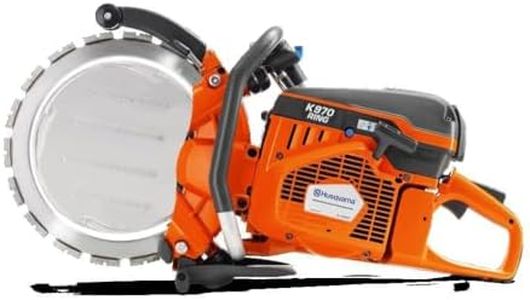
Husqvarna K970 Ring Power Cutter Saw, Orange

The Husqvarna K970 Ring Power Cutter Saw stands out as a powerful and robust cutting tool designed for demanding jobs, especially in metal cutting and construction environments. It boasts a strong power output of 4.8 kW (roughly 6.4 horsepower), which means it can handle tough materials with ease. This saw is known for deep cutting ability and durability, partly thanks to its advanced cylinder design and integrated heat deflector that helps it perform reliably despite fuel or environmental changes.

It also features a maintenance-friendly design with a strong Poly-V belt, a maintenance-free starter system, and an efficient air filter to extend service intervals, reducing downtime. Weighing about 30 pounds, it’s relatively heavy compared to standard handheld circular saws but reasonable for a power cutter of this category, balancing power and portability. This model is battery-powered, offering cordless convenience, which enhances mobility.

The Husqvarna K970 is a solid choice if you need a rugged, high-power saw for deep and irregular cuts in tough materials and value durability and low maintenance.

#2

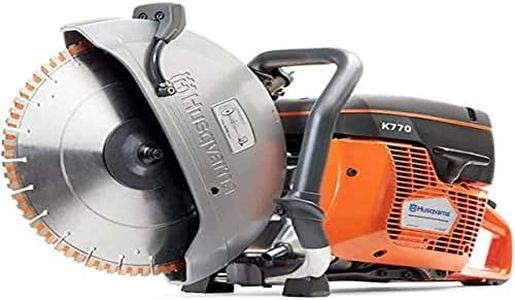
Husqvarna 967682101 K 770 Gasoline Grinder , Orange

The Husqvarna K 770 is a gasoline-powered cutting tool designed more as a power cutter than a traditional circular saw, which explains its unique specs. It has a 5-inch cutting depth with a high-speed steel blade spinning at 4,700 RPM, making it strong enough for tough jobs on hard surfaces like concrete or metal. Its gas power means it’s cordless and highly portable, perfect if you need to work outdoors or far from power outlets.

Weighing 22.4 pounds, it’s heavier than typical handheld circular saws, so it might feel bulky for extended use. It offers a durable build with a cast magnesium crankcase and a smart belt tension system that reduces maintenance hassle. While the bevel capacity is not specified, this saw is primarily intended for straight, heavy-duty cuts rather than angled ones. In terms of safety, it does not feature advanced options like electric brakes or blade guards often found in electric circular saws, so users should exercise extra caution.

This saw is well-suited for professionals or serious DIYers who need a powerful, portable cutter for heavy-duty materials rather than light woodworking tasks. For those seeking a lightweight, easy-to-handle saw for wood or trim work, a smaller electric model would be more appropriate.

#3

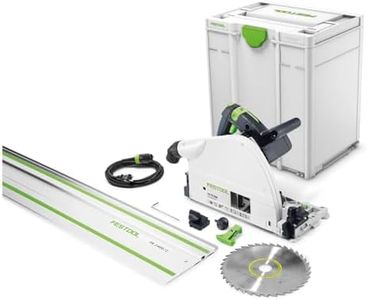
Festool Sierra Circular de mesa TKS 80 EBS

The Festool Sierra Circular de mesa TKS 80 EBS is a corded circular saw designed mainly for woodworking, offering a cutting height of up to 80 mm at a 90° angle. One of its standout features is the innovative SawStop technology, which enhances safety by reducing the risk of injuries while cutting—a great benefit for both hobbyists and professionals who prioritize safety. The saw operates at 3500 RPM and uses a high-speed steel blade with 80 teeth, which should provide clean and precise cuts on wood.

Its adjustable work surface and angle stops make it flexible enough to handle larger pieces and more varied projects. However, it is quite heavy at around 38 kg (84.5 pounds), making it less portable compared to lighter or cordless models. Being corded means you don’t have to worry about battery life, but mobility is limited.

This saw is well suited for users who work mainly in a fixed shop setting and want a safe, precise tool for wood cutting, but it might be less ideal if a lightweight or cordless option is preferred for more mobile use.

Buying Guide for the Best Circular Saws

Choosing the right circular saw can make a significant difference in your woodworking or construction projects. Circular saws are versatile power tools that can handle a variety of cutting tasks, from ripping through lumber to making precise crosscuts. To find the best circular saw for your needs, it's important to understand the key specifications and how they impact performance and usability. By considering these factors, you can select a saw that matches your specific requirements and ensures efficient, accurate, and safe operation.
Blade SizeThe blade size of a circular saw determines the depth of cut it can achieve. Common blade sizes range from 5-1/2 inches to 7-1/4 inches. Larger blades can cut through thicker materials, making them suitable for heavy-duty tasks, while smaller blades are lighter and easier to handle, ideal for lighter work and more precise cuts. Choose a blade size based on the type of projects you plan to undertake. For general-purpose use, a 7-1/4 inch blade is a versatile choice.
Power (Amps)The power of a circular saw is measured in amps, with most models ranging from 10 to 15 amps. Higher amp ratings indicate more powerful motors, which can handle tougher materials and more demanding tasks. For heavy-duty cutting, such as thick hardwoods or continuous use, a saw with 15 amps is recommended. For lighter, occasional use, a 10-12 amp saw may be sufficient. Consider the types of materials you'll be cutting and the frequency of use when selecting the power rating.
Speed (RPM)The speed of a circular saw is measured in revolutions per minute (RPM). Higher RPMs allow for smoother and faster cuts, especially in harder materials. Most circular saws have speeds ranging from 3,500 to 5,000 RPM. For general woodworking tasks, a saw with around 4,500 RPM is typically adequate. If you need to cut through tougher materials or require very smooth cuts, look for a saw with higher RPM. Match the speed to the type of work you will be doing to ensure optimal performance.
Bevel CapacityBevel capacity refers to the ability of the saw to tilt and make angled cuts. This is important for tasks that require precise bevel cuts, such as framing or trim work. Most circular saws offer bevel capacities between 0 and 45 degrees, with some models extending up to 55 degrees. If you frequently need to make bevel cuts, choose a saw with a higher bevel capacity and easy-to-adjust bevel settings. For occasional bevel cuts, a standard 45-degree capacity should suffice.
WeightThe weight of a circular saw affects its maneuverability and ease of use. Lighter saws, typically weighing between 6 to 8 pounds, are easier to handle and control, making them suitable for extended use and overhead cuts. Heavier saws, which can weigh up to 12 pounds or more, provide more stability and are better for heavy-duty cutting tasks. Consider your physical strength and the nature of your projects when choosing the weight of your saw. A balance between weight and power is often ideal for most users.
Corded vs. CordlessCircular saws come in both corded and cordless models. Corded saws offer continuous power and are generally more powerful, making them suitable for heavy-duty tasks and prolonged use. Cordless saws provide greater mobility and convenience, especially for outdoor or remote work sites, but their battery life and power may be limited. Choose a corded saw if you need consistent power and plan to work near a power source. Opt for a cordless saw if portability and ease of movement are more important for your projects.
Safety FeaturesSafety features in circular saws are crucial to prevent accidents and ensure safe operation. Common safety features include blade guards, electric brakes, and safety switches. Blade guards protect you from the spinning blade when not in use, while electric brakes quickly stop the blade after the trigger is released, reducing the risk of injury. Safety switches prevent accidental starts. Prioritize saws with these safety features, especially if you are a beginner or will be using the saw frequently.

FAQ