We Use CookiesWe use cookies to enhance the security, performance, functionality and for analytical and promotional activities. By continuing to browse this site you are agreeing to our privacy policy

10 Best Banjos 2026 in the United States
How do we rank products for you?

Our technology thoroughly searches through the online shopping world, reviewing hundreds of sites. We then process and analyze this information, updating in real-time to bring you the latest top-rated products. This way, you always get the best and most current options available.

headphones-stars

Our Top Picks

#1

Winner

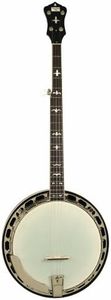
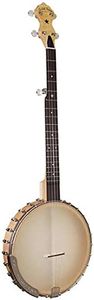
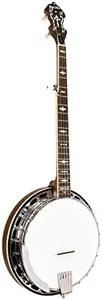
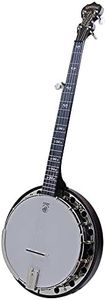
Deering Sierra 5-String Banjo

The Deering Sierra 5-String Banjo is a resonator-style instrument designed for players who want a bright, projecting sound often favored in bluegrass music. It features a bell bronze tone ring and a three-ply maple rim with a single-piece flange, which together contribute to a clear, ringing tone with good volume. The mahogany neck and resonator add warmth and balance to the sound, while the ebony fingerboard offers smooth playability.

Its standard scale length and typical number of frets make it comfortable for most players. At about 12.3 pounds, it’s on the heavier side compared to open-back banjos, which might be a consideration for long playing sessions or travel. The adjustable tailpiece allows for some fine-tuning of string tension, enhancing playability. This banjo comes with a case and has a strong build quality backed by a lifetime warranty against defects for the original owner, although normal wear and accidental damage are not covered.

The price may be higher than entry-level models, but the materials and craftsmanship reflect that investment. The Deering Sierra is an excellent choice for intermediate to advanced players seeking a resonator banjo with a bright tone and solid construction, particularly if a reliable instrument that projects well in group settings is desired.

#2

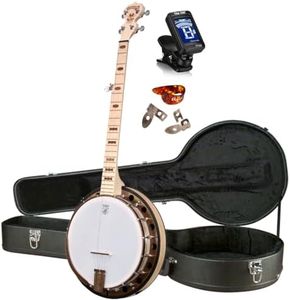
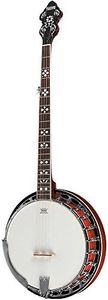
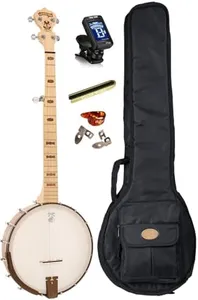
Deering Goodtime 5-String Openback Banjo Art Deco Inlay Bronze Powder Coat Hardware Open Back with Instrument Alley Bag, Tuner, Mute, Picks Combo - Made in the USA

Rating
9.1
Number of Frets

Most important from
13 reviews

Number of Frets
The fit and finish of the Deering GoodTime DECO banjo are excellent, with smooth frets and a comfortable neck.

The Deering Goodtime DECO Series 5-String Openback Banjo is a high-quality instrument, particularly suitable for beginners and intermediate players who are looking for a durable and aesthetically pleasing banjo. Made in the USA, it features a premium rock maple construction and a unique Art Deco inlay design with a bronze powder coat finish, which adds a stylish touch to its appearance.

The 11-inch 3-ply violin-grade maple rim and Deering patented Goodtime tailpiece contribute to its excellent sound quality. The neck is designed in a comfortable 'D' shape with 22 pressed-in nickel-silver frets, making it easy to play for extended periods. The 1 1/4-inch nut width and 37.5-inch length make it a good size for most players, and it weighs a manageable 7.68 pounds, which is relatively lightweight for a banjo.

Additionally, it comes with a padded gig bag, tuner, mute, and picks, providing great value for the price. However, being an open-back banjo, it may not produce as loud a sound as resonator models, which could be a drawback for some users, especially those planning to play in larger or outdoor settings. The Deering Goodtime DECO Series also includes a 6-year warranty, offering added peace of mind.

Rating
9.1
Number of Frets

Most important from
13 reviews

Number of Frets
The fit and finish of the Deering GoodTime DECO banjo are excellent, with smooth frets and a comfortable neck.
#3

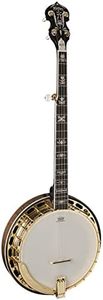
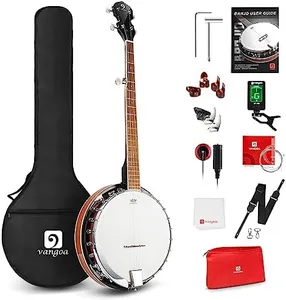
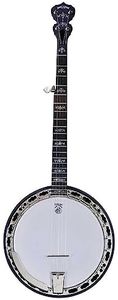
Recording King RK-R36-BR Madison Tone Ring Banjo, Mahogany Resonator

Rating
8.5
Rim and Tone Ring

Most important from
4 reviews

Rim and Tone Ring
Its solid construction and traditional tone ring produce the rich, crisp sound ideal for bluegrass and folk styles.

The Recording King RK-R36-BR is a 4-string banjo designed with a mahogany resonator, which helps project a louder, brighter sound compared to open-back models. Its mahogany neck includes an adjustable truss rod, allowing players to customize neck tension for better playability. The banjo features a Mastertone-style bell brass cast tone ring and one-piece flange, components known to enhance a rich, crisp tone often favored in bluegrass music.

It weighs about 13.8 pounds, which is a moderate weight for a resonator banjo and should be comfortable for most players during extended sessions. The rim and back materials include maple and rosewood, adding to the instrument’s durability and tone quality. The banjo is built with quality woods and hardware and is manual in operation, meaning no electronic amplification or effects are included, so it suits acoustic performances best.

This model would appeal to intermediate players looking for a solid, traditional-sounding banjo with good projection. Beginners might find it a bit heavier or pricier compared to open-back options, but the build quality and tone make it a worthwhile choice for those focused on bluegrass or folk styles.

Rating
8.5
Rim and Tone Ring

Most important from
4 reviews

Rim and Tone Ring
Its solid construction and traditional tone ring produce the rich, crisp sound ideal for bluegrass and folk styles.

Buying Guide for the Best Banjos

Choosing the right banjo can be a rewarding experience, whether you're a beginner or an experienced player. The key to finding the perfect banjo is understanding the different specifications and how they align with your playing style, musical preferences, and skill level. By focusing on the key specs, you can make an informed decision that will enhance your playing experience and help you achieve your musical goals.
Type of BanjoBanjos come in different types, including 4-string, 5-string, and 6-string models. The 5-string banjo is the most common and is often used in bluegrass and folk music. The 4-string banjo, also known as a tenor or plectrum banjo, is popular in jazz and Irish music. The 6-string banjo, also known as a banjitar, is tuned like a guitar and is suitable for guitar players transitioning to the banjo. Choose the type that matches the genre of music you want to play and your current skill set.
Resonator vs. Open-BackBanjos can have either a resonator or an open-back design. A resonator banjo has a wooden back that projects the sound forward, making it louder and brighter, which is ideal for bluegrass and other ensemble settings. An open-back banjo lacks this back piece, resulting in a softer, mellower sound, which is preferred for old-time and clawhammer styles. Consider where and how you plan to play when choosing between these two designs.
Neck MaterialThe neck of a banjo can be made from various woods, such as maple, mahogany, or walnut. Maple necks are known for their bright, clear tone and are often used in bluegrass banjos. Mahogany necks produce a warmer, mellower sound, while walnut necks offer a balance between the two. Your choice of neck material will affect the banjo's tone and playability, so consider the sound you prefer and the feel of the neck in your hands.
Rim and Tone RingThe rim and tone ring are crucial components that influence the banjo's sound. The rim is the circular wooden part of the body, while the tone ring is a metal ring that sits on top of the rim. Banjos with a tone ring tend to have a brighter, more powerful sound, making them suitable for bluegrass and other loud playing styles. Banjos without a tone ring have a softer, more subdued tone, which is ideal for folk and old-time music. Decide based on the volume and tone you desire.
Scale LengthThe scale length of a banjo refers to the distance between the nut and the bridge. A longer scale length (around 26-27 inches) provides more tension on the strings, resulting in a brighter tone and more volume. A shorter scale length (around 23-25 inches) offers less tension, producing a warmer tone and making the banjo easier to play, especially for those with smaller hands. Choose a scale length that feels comfortable and suits your playing style.
Number of FretsBanjos typically have between 19 and 24 frets. More frets allow for a greater range of notes and can be beneficial for advanced players who want to explore higher notes and more complex music. Fewer frets can make the banjo lighter and easier to handle, which might be preferable for beginners or those focusing on traditional playing styles. Consider your playing level and the type of music you want to play when deciding on the number of frets.
WeightThe weight of a banjo can vary significantly depending on its construction and materials. Heavier banjos, often with a resonator and tone ring, provide a louder and more resonant sound but can be more challenging to hold and play for extended periods. Lighter banjos, typically open-back models, are easier to manage and more comfortable for long practice sessions. Think about your physical comfort and how you plan to use the banjo when considering its weight.

FAQ